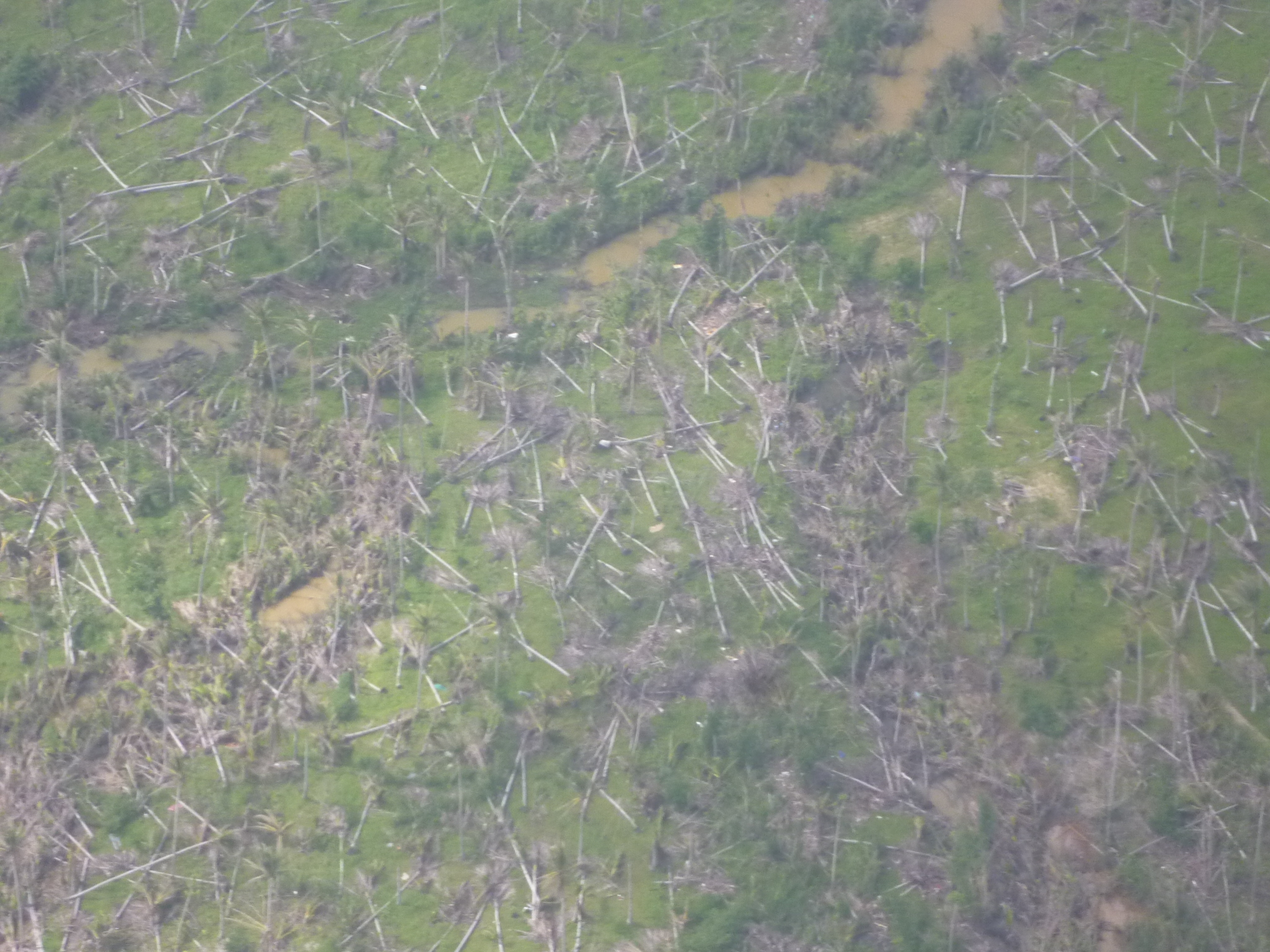
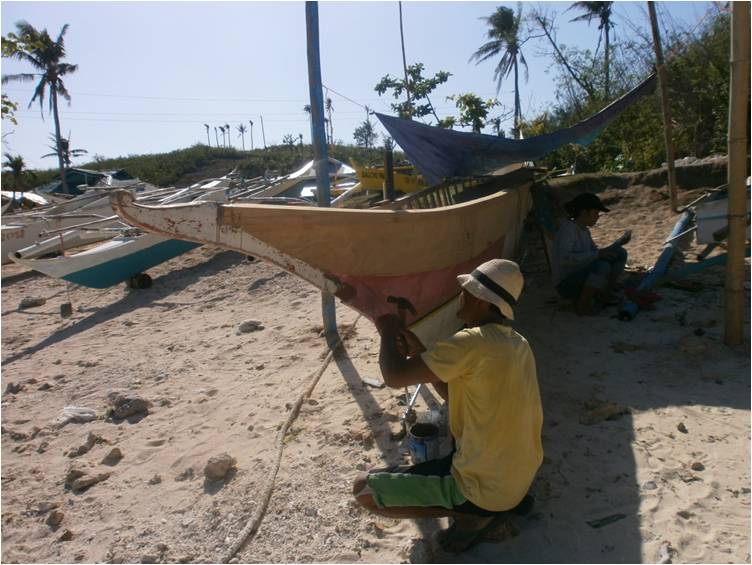
Transition

Well now, here I am, coming up to 11 months here in the Philippines, and a lot has changed.

Tacloban is a very different city, with most shops up and running again (with the noticeable exception of McDonalds, whose refurbished grand opening is still being awaited with baited breath here in our bustling office….) 🙂

Organisations and Government officials alike are starting to plan and prepare for the 1-year on anniversary – a useful milestone to reflect on the fantastic achievements of the many many NGOs, Government staff, and others, while also taking stock of the long, long road to recovery ahead. Continue reading

Humpty Dumpty…

Note: I wrote this one a few months ago but forgot to post it, so some of the dates may not make sense…

A fascinating conversation with some colleagues yesterday raised the question of whether we are looking at recovery, reconstruction and resilience from completely the wrong perspective.

What if “building back better” (the buzzphrase being bandied about over here at the moment) isn’t going to work?

Don’t get me wrong, the concept of building back better is a good one. In practice it means helping communities to rebuild their houses more safely, re-designing wooden and bamboo houses to make them stronger and more resilient to typhoons. Designing roofs that have 4 sides instead of 2, having smaller roof overhangs that will produce less wind-resistance and lift, using hurricane straps to hold down corrugated iron sheets on the roof, and using concrete and hollow-blocks to stabilise the base of the core structure.

All of which are sound and logical ways to improve people’s lives, and help make them, and their houses, more resilient to the next typhoon.

But, with climate changes that are bringing us ever bigger and stronger storms, floods, and other natural disasters, will “building back better” ever be enough? Continue reading

Blog Hiatus

Ooops!

It seems I have forgotten all about my poor blog for the last 5 months, and left it shamefully alone and neglected.

Luckily I have the odd post I drafted a while ago and never got around to posting, so will now attempt to post a few of them and liven things up a bit in this corner of the internet!

While you’re waiting for some deep insights into the aid sector, here’s one of the best things I’ve spotted in Tacloban so far. I literally laugh out loud every time I drive past this place.

10610559_10153220286603294_1421890962664279856_n

More random things that made me laugh…

Wow – one of my older posts, Reasons why I love the Philippines, seems to have gone a bit viral today (someone clearly shared it on facebook) and I’ve now had over 1,000 views in a day! Madness! I suddenly feel strangely popular and powerful at the same time – it’s like I’m wielding all this internet power using only my words on a blog – MWAH HA HAAAAA!

Ok, enough mad laughter, people in the office are starting to stare… Instead, here are some more random things I’ve seen this month that make me smile.

Continue reading

Mountain villages in rural Leyte-Leyte…

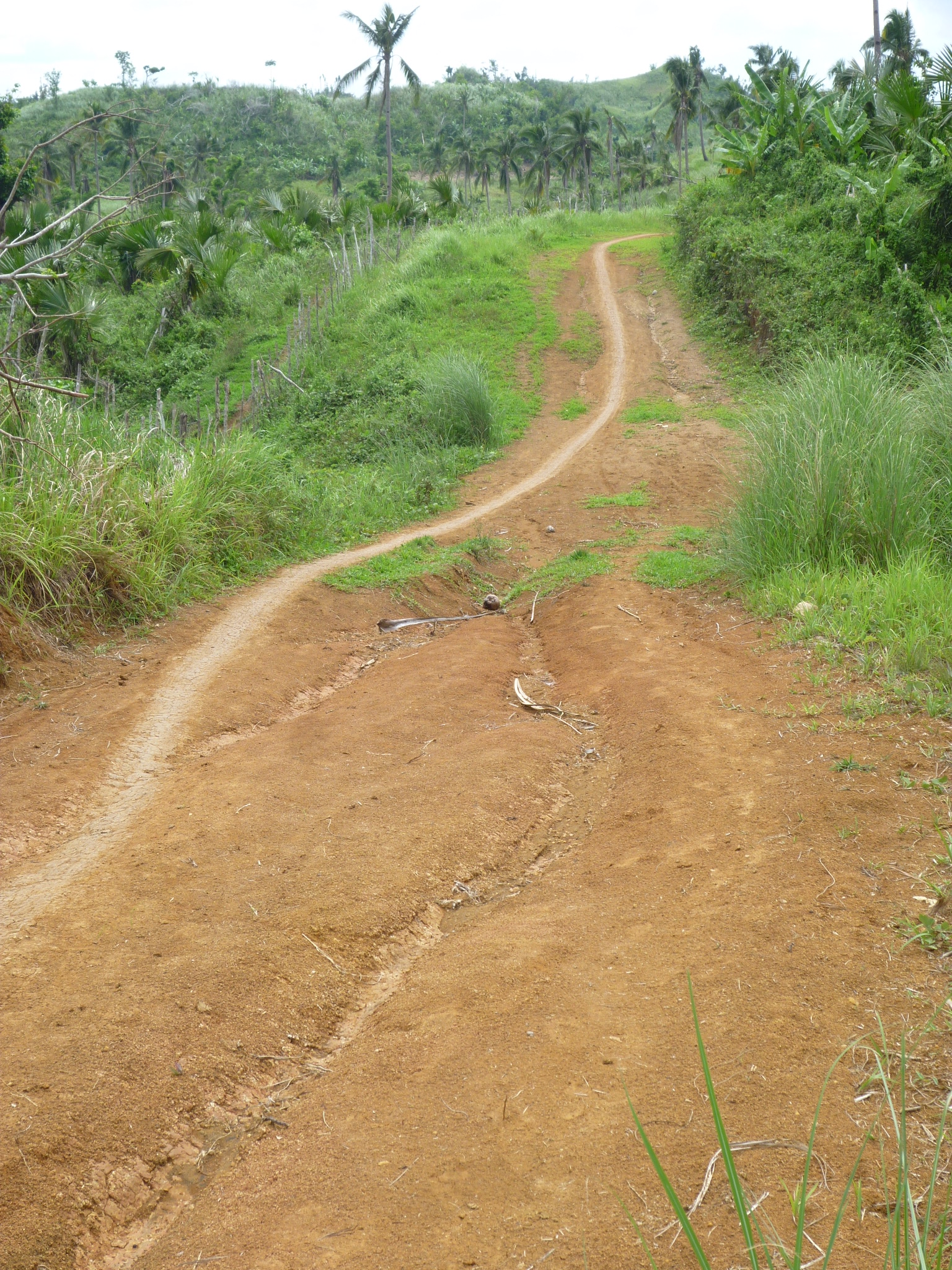
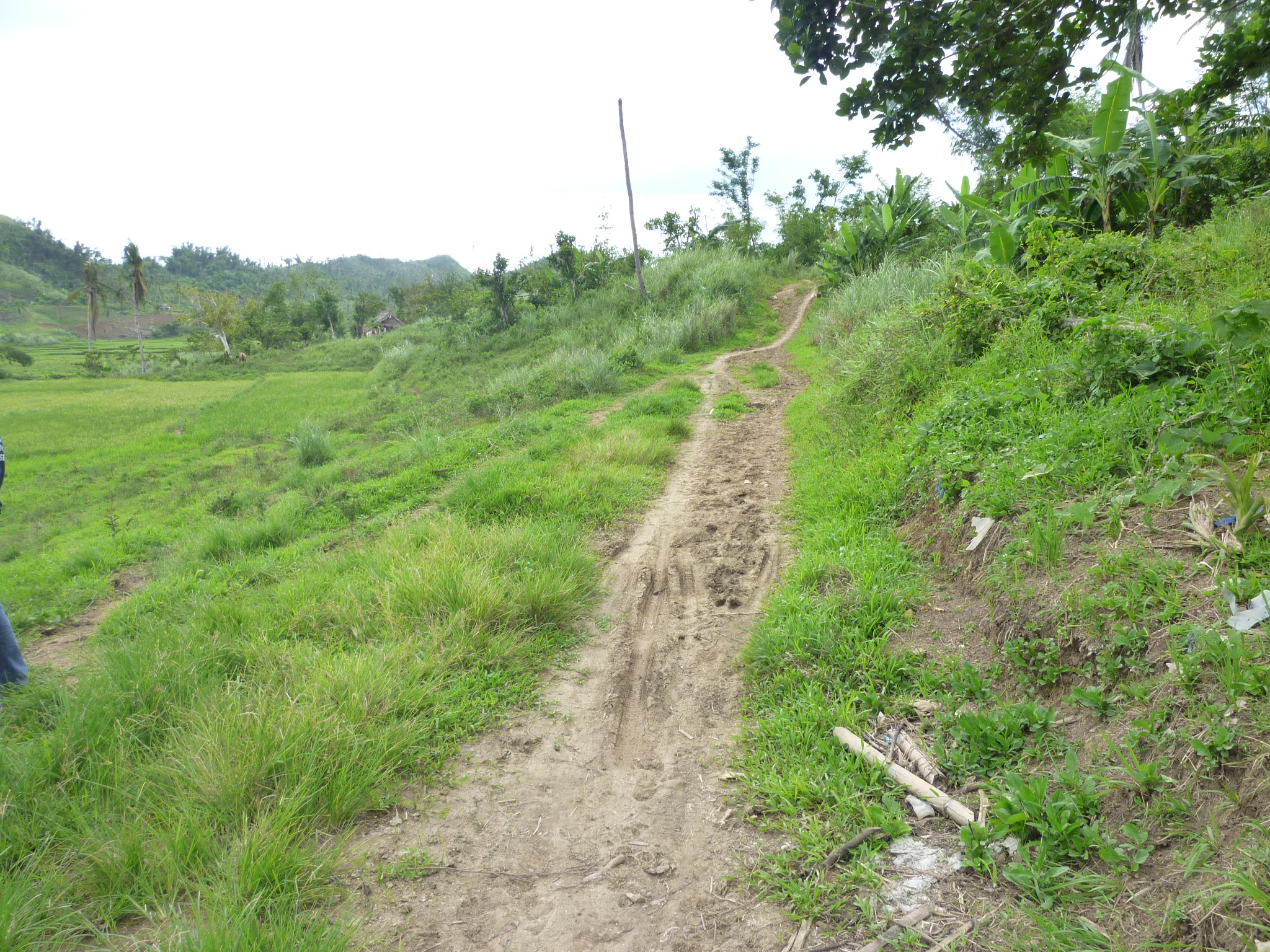
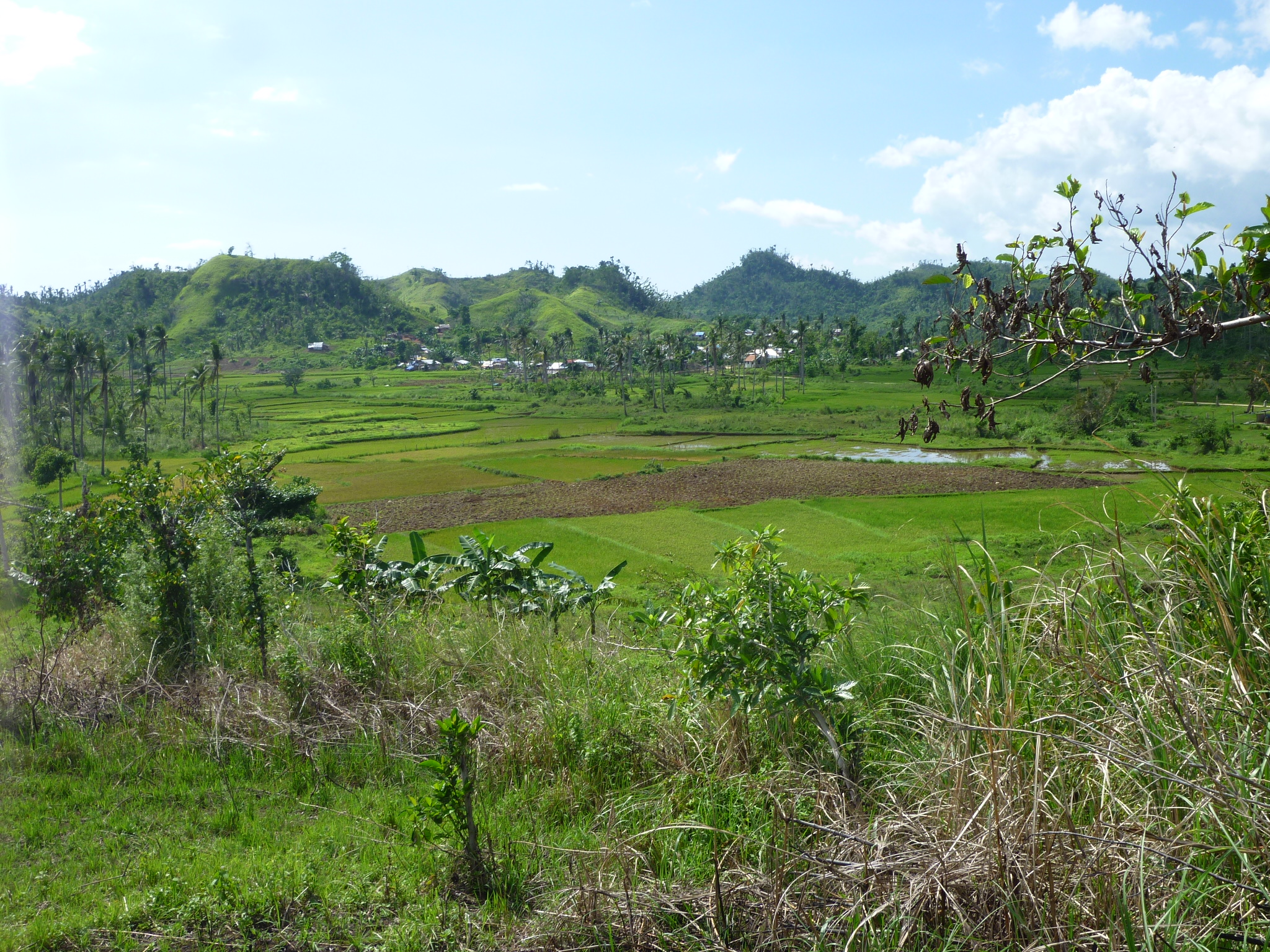
Some pics from my recent adventures clambering around through rice paddies, balancing on wobbly logs over streams filled with water buffalo, and driving along what can only loosely be called roads to reach some hard-to-access remote villages in upland Leyte-Leyte Municipality.

Bagabao Barangay

P1130043

P1130045

End of the road for the car… we’ll have to carry on on foot…

P1130048

Continue reading

Bagabao and Mataloto

*Started writing this about 2 weeks ago, but only just getting around to posting it….

Tuesday 1st April 2014

This week I went to visit a couple of very remote barangays (villages) in Leyte-Leyte.

It’s an area that had high levels of poverty even before the typhoon hit, and people there have been living on very little for a really long time. As they are so remote and hard to access that they haven’t received much aid/relief, and trucks can’t get up to them, so in order to get rice (aid/relief) supplies they have to walk about an hour to the nearest accessible village.

P1130190

I spoke to rice farmers there who had planted seeds after Yolanda, but the seeds were clearly damaged and now that it’s harvest time the yield is less than 30%. We saw stalks of rice with no grains inside, due to the poor quality of the seeds, and as the food aid has slowed down and is now being phased out, you wonder how these farmers will feed their families for the next few months until the next planting and harvest season…

Continue reading

The Coconut is not a nut….

So, moving on to part 2 of this post about how to rebuild livelihoods after typhoon Yolanda. This time – the Coconut challenge!

Coconuts

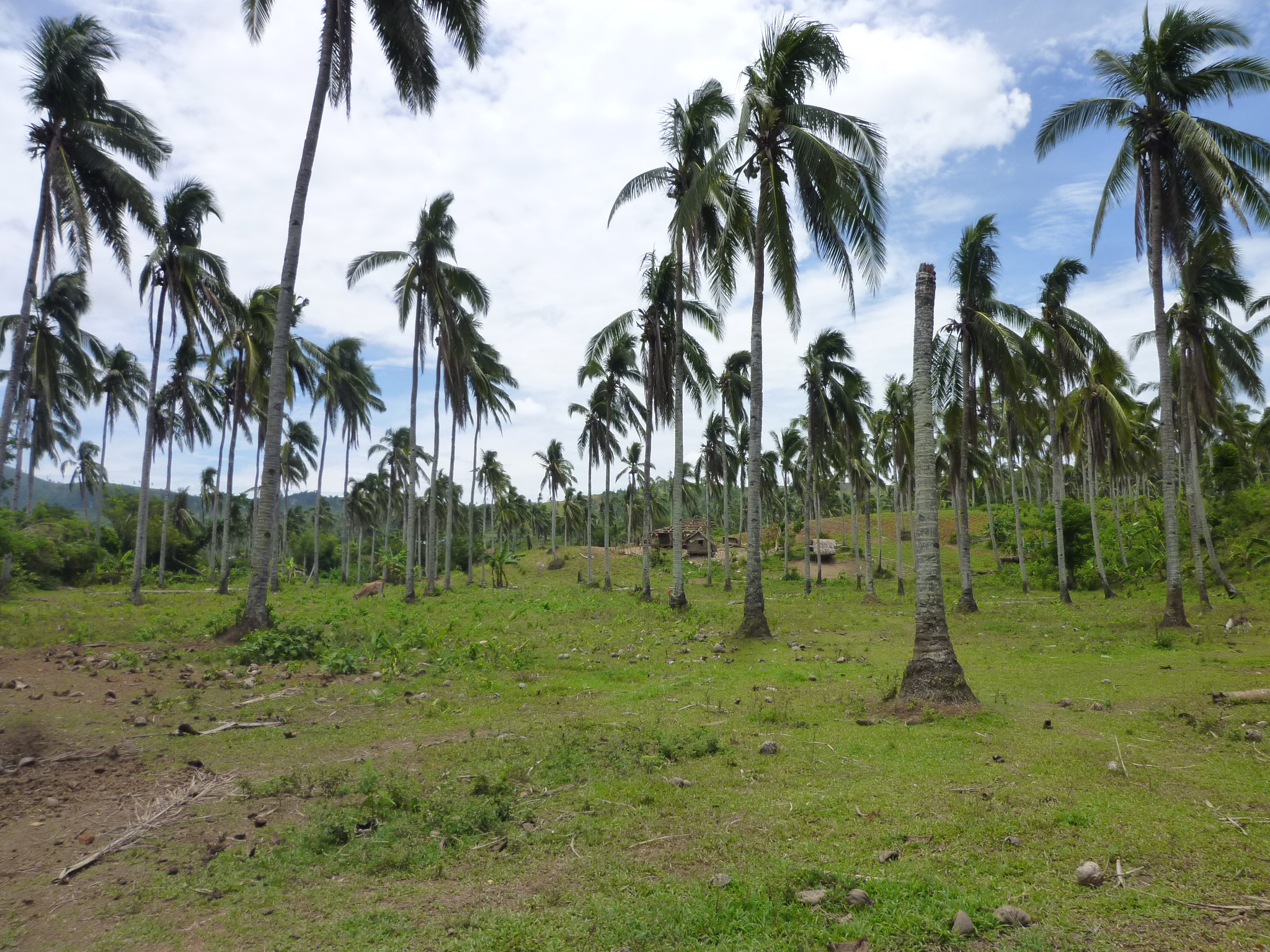
The coconut tree is a truly fascinating plant.

Did you know that the Philippines is the largest producer of copra (coconut flesh used to extract coconut oil) in the world? Or that the coconut tree is incredibly versatile.

It can produce copra, which in turn can be turned into coconut oil, and the leftovers converted into high-protein animal feed. The oil itself can be converted into edible cooking oil or coco biodiesel used in the cosmetics industry, or converted into diesel fuel.

The coconut shell can be turned into charcoal and used as fuel, while the fibres from the outside of the shell, or coir, can be used as material for upholstery padding, floor mats, mattresses and handicrafts, and as a soil erosion control tool. Coconut shells make lovely handicrafts and holiday souvenirs too!

The coconut water can be used as a drink, as well as to make vinegar, wines and coco sap brown sugar.

And of course there’s always the lumber you can get from the tree trunk after it stops producing fruit.
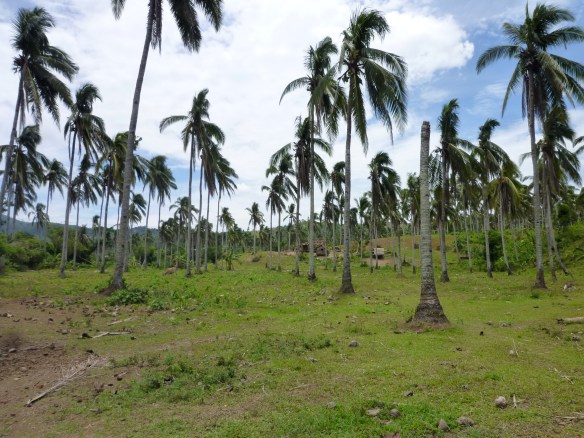
P1130342

So, all of these fascinating facts bring me onto the massive challenge faced by NGOs in the Philippines in the aftermath of typhoon Yolanda.

33 million coconut trees were damaged or destroyed during the storm, which equates to a MASSIVE portion of the Philippines copra export market. Furthermore, it takes between 7 and 10 years (depending on the variety) to grow a new coconut tree from a seedling to fruiting maturity. And the Philippines does not have 33 million coconut seedlings kicking about. So you can imagine what effect that will have on the Philippines GDP over the coming years.

And more to the point, what will all those coconut farmers do to make a living in the meantime?

P1120021

Continue reading

Plenty more fish in the sea?

So I’ve just come back from an intense 2-day workshop attempting to bring together all of the Emergency Food Security and Vulnerable Livelihoods (EFSVL) staff, along with key staff from the long-term Country Programme in the Philippines, to plan our strategies for the next few months, and try to integrate our emergency response work with longer term sustainable livelihoods frameworks.

Sounds fascinating? It really was.

Here are some of the really interesting challenges and issues we are facing in the long-term recovery process for some key livelihoods sectors in the Philippines. As I started writing this it got longer and longer, so I’ve split it into two separate posts about Fisheries and Coconuts – two sectors that were heavily affected by the typhoon, and face massive challenges in rehabilitation and recovery….

Fisheries

How do you support a fisherman to rebuild his livelihood, and at the same time encourage him not to fish?

boats 2

Over 30,000 fishing boats were damaged or destroyed by typhoon Yolanda, but even before the typhoon some areas were being heavily over-fished, and it wasn’t just boats that were destroyed. The storm caused massive damage to marine eco-systems, corals, mangroves and other fish and aquaculture breeding grounds which will need time to recover.

And it turns out, fish need corals and mangroves in order to hang out, meet other like-minded fish, and have lots and lots of baby fish….

Continue reading

From the Philippines to CAR…

Well, my holiday is officially over, and there’s no more time to dwell on the post-holiday comedown, as I’m right back into the swing of things again!

I got back to the Philippines a week ago, and had a couple of days with my manager in Manila, before travelling to Ormoc via Tacloban. I had a nice couple of days catching up with some peeps in Tacloban over the weekend, and generally getting back into work mode. The night I arrived there was a fantastic torchlight parade through the streets of Tacloban to celebrate World Water Day, complete with fire-dancers and all sorts of fun performances.

P1120840

It’s very hot and humid now, and still pissing with rain most of the time. Apparently this is the “dry season”, and by that I mean that it’s generally a bit less wet than the typhoon season. Or as several colleagues have informed me, there are two seasons in the Philippines, Wet and Very Wet. So this would be the Wet Season.

Continue reading

Happiness, and other YouTube videos…

So, while on holiday I had plenty of time to fall down an internet hole and trawl the web for fun and interesting things…

This brilliant video, courtesy of UNDP and Pharrell Williams, shows perfectly the fantastically upbeat spirit of the Filipino people, always ready to pick themselves up, dust themselves off, and start rebuilding, with a smile on their faces. I’ve already watched it about 8 times and it still makes me smile. The perfect antidote for the post-holiday blues!

While we’re on the subject of YouTube videos, here’s a few more that caught my eye.

This equally brilliant but far more depressing video from Save the Children tries to show people in the UK what it would be like if something like the situation in Syria happened to us, through the eyes of a child. Depressing but incredibly moving and sadly a stark reality for thousands of Syrian people in the last 3 years.

And on a more cheery note, this hilarious video of Things Cats do that would be creepy if humans did them. Cracks me up.

While we’re on the subject of funny things, this list of poorly chosen book titles made me laugh out loud too.

And how could I forget the fantastic Philomena Cunk’s Moments of Wonder? Genius.

So, those are a few of the things I found on the interwebs this month that made me laugh, smile, and think.

Now go watch the Happy video one more time to cheer yourself up!

 🙂